Economy
Bank of Japan Cuts Balance Sheet by ¥131 Trillion While Rate Hikes Stay Minimal
By Bear Creek Staff, . Bear Creek Capital Network.
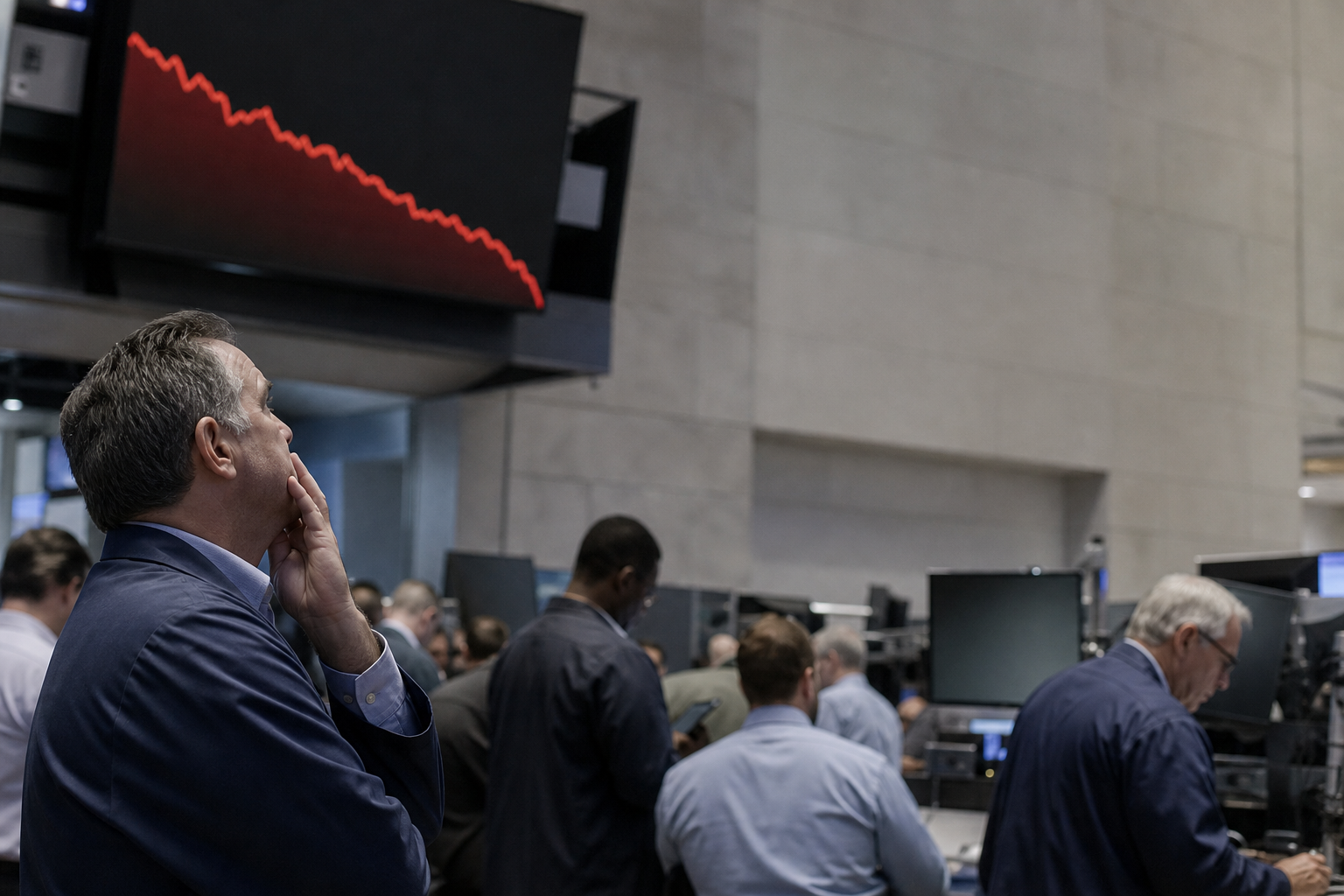
The Bank of Japan's balance sheet fell to ¥625 trillion ($3.95 trillion) as of September 30, the lowest level since March 2020, according to Wolf Street's analysis of the central bank's latest figures. Total assets dropped ¥15.5 trillion in the third quarter alone and ¥70.8 trillion over the prior twelve months.
Since the peak of its holdings in the first quarter of 2024, the BOJ has reduced total assets by ¥131 trillion, a decline of 17.4%. The analysis notes that the Federal Reserve began quantitative tightening roughly two years before the BOJ did, but the Fed halted its balance sheet reduction nearly a year ago while the BOJ continues.
Japanese Government Bonds drove the bulk of the third-quarter reduction. Holdings fell ¥14.3 trillion in the quarter to ¥504 trillion, the largest quarter-over-quarter decline since the BOJ began its tightening program. From their 2023 peak, the BOJ's government securities holdings have dropped ¥88.2 trillion, or 14.9%, and now represent 79% of total assets.
The loan book held roughly steady in the quarter at ¥68 trillion after a steep drop in the prior period. Measured from its Q1 2022 peak, the outstanding loan balance has fallen ¥83.1 trillion, a reduction of 55%, and now accounts for 11% of total assets.
On the equity side, the BOJ sold ¥90 billion ($568 million) worth of exchange-traded funds and Japanese Real Estate Investment Trusts in the third quarter at acquisition cost. The BOJ carries these instruments at what it paid for them beginning in 2011, not at current market value, and the Nikkei 225 has risen roughly 500% over that period. The actual market value of assets disposed of in the quarter was therefore substantially higher than the book figure suggests. The BOJ also completed the sale of its last bank stock holdings in the third quarter of 2025, finishing a divestment process that began in 2016 and took nearly a decade. Combined ETF and J-REIT holdings have declined just 1.3% from their peak, a pace Wolf Street described as glacial.
Corporate bonds fell ¥560 billion in the quarter to ¥1.07 trillion, down 91% from peak. Commercial paper holdings reached zero earlier this year.
The contrast between the BOJ's balance sheet policy and its rate policy is stark. The central bank has raised its policy rate to 1.25% since its first hike in March 2024, the highest level in 31 years, but the analysis characterized the pace of those increases as minimal. The publication's read is that rate hikes are being used primarily to limit further yen depreciation, while quantitative tightening is doing the heavier work of addressing inflation and supporting the currency.
The long-end of the Japanese Government Bond market has responded. The 10-year JGB yield stands at 3.09%, up from negative territory in 2020, and the 30-year yield is at 4.21%.
The practical implication for investors with exposure to Japanese fixed income or yen-denominated assets is that the BOJ's balance sheet reduction is not a background event. A central bank removing ¥131 trillion in assets over roughly six quarters is applying sustained upward pressure on long-term yields, and the pace of JGB sales accelerated in the most recent quarter. Whether the BOJ can continue tightening its balance sheet while keeping rate hikes incremental depends heavily on how the yen trades and how domestic inflation evolves. Neither of those variables is settled, and the BOJ has not signaled a timeline for ending the program.
Bear Creek Capital Network publishes content for informational and educational purposes only. Nothing in this article constitutes financial, investment, tax or legal advice, or a recommendation to buy or sell any security. Consider your own circumstances and consult a qualified professional before making financial decisions.