Investing
Democrats Win Midterms, AI Stocks Slip as Data Center Fears Take Hold
By Bear Creek Staff, . Bear Creek Capital Network.
Democrats won majorities in the Senate and the House of Representatives in Tuesday's midterm elections, and also captured most governorships for the first time in 16 years, according to CNBC. The CNBC Election Desk projected Democrats winning at least 250 House seats against a Republican minimum of 165, and Democrats holding at least 54 Senate seats against at least 42 for Republicans.
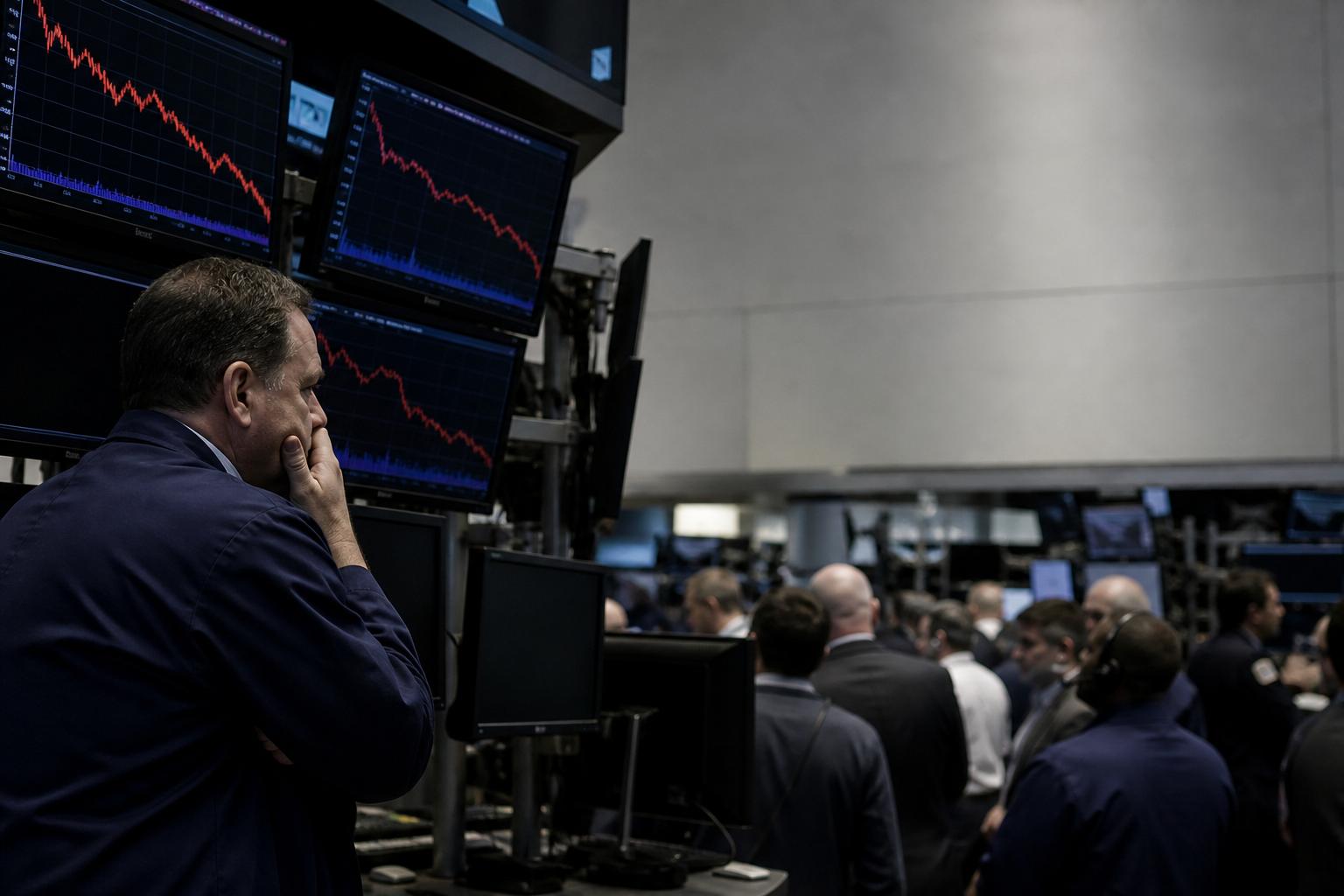
AI-related stocks came under pressure overnight following the results, CNBC reported, with investors treating Democrats as more likely to support data center moratoriums. Stocks did advance in the session that followed, as The Motley Fool noted, reflecting the broader relief of one political uncertainty being resolved, even as the AI-specific question remained open.
What the policy concern actually is
The worry is not abstract. Democrats have signaled interest in regulating advanced AI models on safety grounds and could push for restrictions on how quickly those models are developed. More concretely, data center construction depends on government cooperation for land permitting and access to water and electricity. A less permissive posture in statehouses and Congress could slow the infrastructure build-out that the entire AI investment thesis rests on.
The Motley Fool pointed to Texas Governor-elect Gina Hinojosa, a Democrat, who included a moratorium on new data centers among her stated priorities. That is one state, but it signals the direction some Democratic officials are moving.
The scale of what is at stake
The infrastructure spending involved is large. Amazon, Alphabet, Meta Platforms and Microsoft have collectively pledged to spend more than $700 billion on AI-related capital expenditure this year alone, the Fool reported, covering land, data center construction and equipment. AI labs OpenAI and Anthropic are simultaneously building more capable models. Chip designers, cloud providers and AI labs have seen revenue grow sharply as a result, and their publicly traded shares have reflected that, though the piece notes that stock momentum has slowed in 2026 amid investor concern that revenue may not keep pace with spending.
What this actually changes, and what it does not
The near-term risk is real: slower permitting or new model restrictions could compress the pace of the build-out and weigh on earnings for companies that have priced in continued rapid expansion. That is a legitimate concern for anyone holding AI infrastructure names.
The longer-term picture is harder to dent. AI has moved from model training into active deployment across industries and consumer applications, and that shift is driving demand for compute, memory and networking that does not disappear because a new Congress is seated. The Fool's columnist argues that safety guardrails could actually reduce one investor anxiety, the fear that AI development runs ahead of any oversight, and that a modest pullback in AI stocks on political uncertainty could represent a buying opportunity for investors with a long time horizon.
That argument is the publication's own editorial view, not a verified outcome, and it is worth separating from the reported facts. What is confirmed is that Democrats won, that AI stocks sold off overnight, and that some Democratic officials have already named data centers as a target. What remains unknown is whether federal legislation or state-level moratoriums will actually pass, how quickly any restrictions would take effect, and whether the major hyperscalers, the large cloud and technology companies that dominate AI infrastructure spending, can adapt their build-out plans around new constraints.
CNBC noted that while smaller cloud providers were hit hard overnight, the large hyperscalers recovered post-election. That split is worth watching: if regulation lands unevenly, companies with the scale to navigate permitting and political relationships may widen their lead over smaller competitors.
Sources
1. Democrats, Often Cautious About AI, Won the Midterms. Should You Really Buy AI Stocks Right Now, fool.com
2. 2026 midterm election results: House, Senate, cnbc.com
Bear Creek Capital Network publishes content for informational and educational purposes only. Nothing in this article constitutes financial, investment, tax or legal advice, or a recommendation to buy or sell any security. Consider your own circumstances and consult a qualified professional before making financial decisions.