Markets
S&P 500 Logged Its Steepest Single-Day Drop Since April 2025 on Nov. 5
By Bear Creek Staff, . Bear Creek Capital Network.
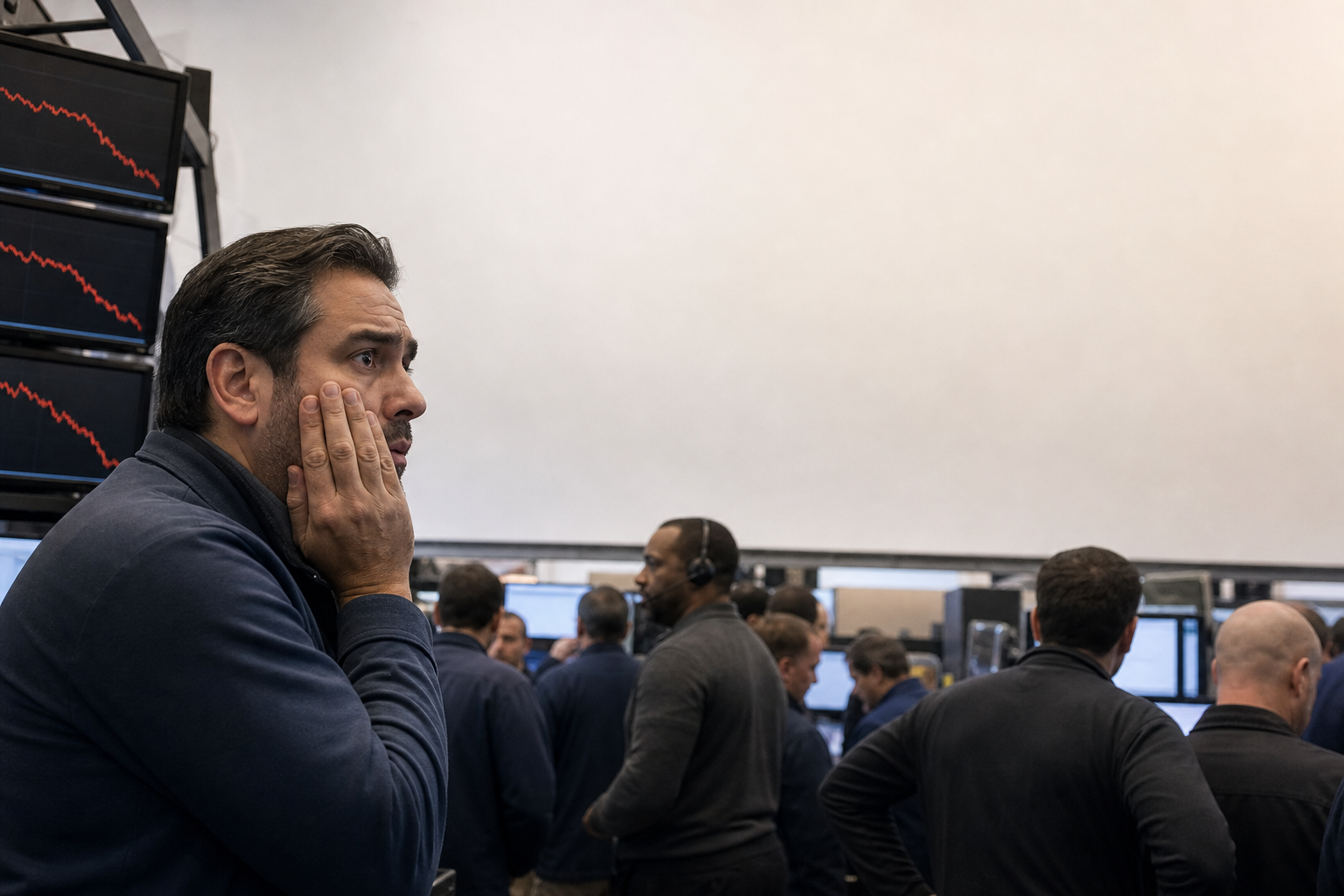
The S&P 500 dropped 4.36% on November 5, its worst single-day performance since April 2025, according to Yahoo Finance. The Dow Jones Industrial Average fell 1,833.06 points, or 3.44%, settling at 51,523.06, while the Nasdaq slid into correction territory, meaning it had dropped more than 10% from its recent peak. Every one of the S&P 500's 11 sectors closed lower that day, CNBC reported.
What the selloff showed
The index had already pulled back roughly 6% from a record high set in early October before November 5 hit. By the following Tuesday, the S&P 500 had clawed back 3.6% of the loss, though it remained about 5.1% below its 52-week high as of that Monday's close. The speed of both the drop and the partial recovery illustrates the central tension in markets right now: the index is more expensive than it was heading into the last major correction, rates are moving higher again, and inflation has had another seven months to work through the economy.
The case for staying in
One Motley Fool columnist writing through Yahoo Finance argued against moving to cash, citing data from mutual fund company Hartford. Over the past 20 years, Hartford's figures show, 36% of the market's largest single-day gains came within the first two months of a new bull market, and the S&P 500 has averaged a 13.6% gain in just the first month of such cycles. The data also show that more than 40% of the market's biggest daily advances over that same period occurred during bear markets themselves, before most investors recognized a recovery was underway. The argument is familiar but worth stating plainly: missing those sessions by sitting on the sidelines can cost more than riding out the decline.
On the outlook, Goldman Sachs projected, as cited in the piece, that S&P 500 earnings for 2027 are expected to grow 11%, which the bank estimated could push the index roughly 15% higher. That is a forecast, not a realized figure, and Goldman's track record on annual targets is mixed.
What is still unknown
Neither report establishes whether the November 5 drop was the start of something larger or a one-day event that the recovery has already answered. The Yahoo Finance piece acknowledged as much directly, noting that corrections and bear markets are predicted far more often than they occur, and that even accurate predictions rarely come with reliable timing attached.
The harder question is whether the conditions that made this selloff feel different, higher valuations, rising rates, and a market that has gone seven months without a significant correction, are enough to change the probability distribution of outcomes. The reporting does not answer that, and no analyst quoted in either piece put a specific probability on a bear market.
What investors should watch is whether the partial recovery holds as rate expectations get repriced and whether AI-related earnings in the next reporting cycle justify the multiples still embedded in the index's largest names. Those two data points will do more to resolve the current uncertainty than any single day's price action.
Sources
1. The S&P 500 Had Its Worst Day in Over a Year. Here's Why I'm Still Investing., fool.com
2. Stock market news for Nov. 5, 2026, cnbc.com
Bear Creek Capital Network publishes content for informational and educational purposes only. Nothing in this article constitutes financial, investment, tax or legal advice, or a recommendation to buy or sell any security. Consider your own circumstances and consult a qualified professional before making financial decisions.