Money
Disney holds its cheapest tickets flat while table-service meals climb 18.7% in three years
By Bear Creek Staff, . Bear Creek Capital Network.
Disney adjusted its tiered ticket pricing this week, as it does most Octobers, but the floor held. The cheapest single-day ticket at Disneyland remains $104, unchanged since 2019, and the entry-level Walt Disney World ticket stays at $119, flat from last year, according to NerdWallet.
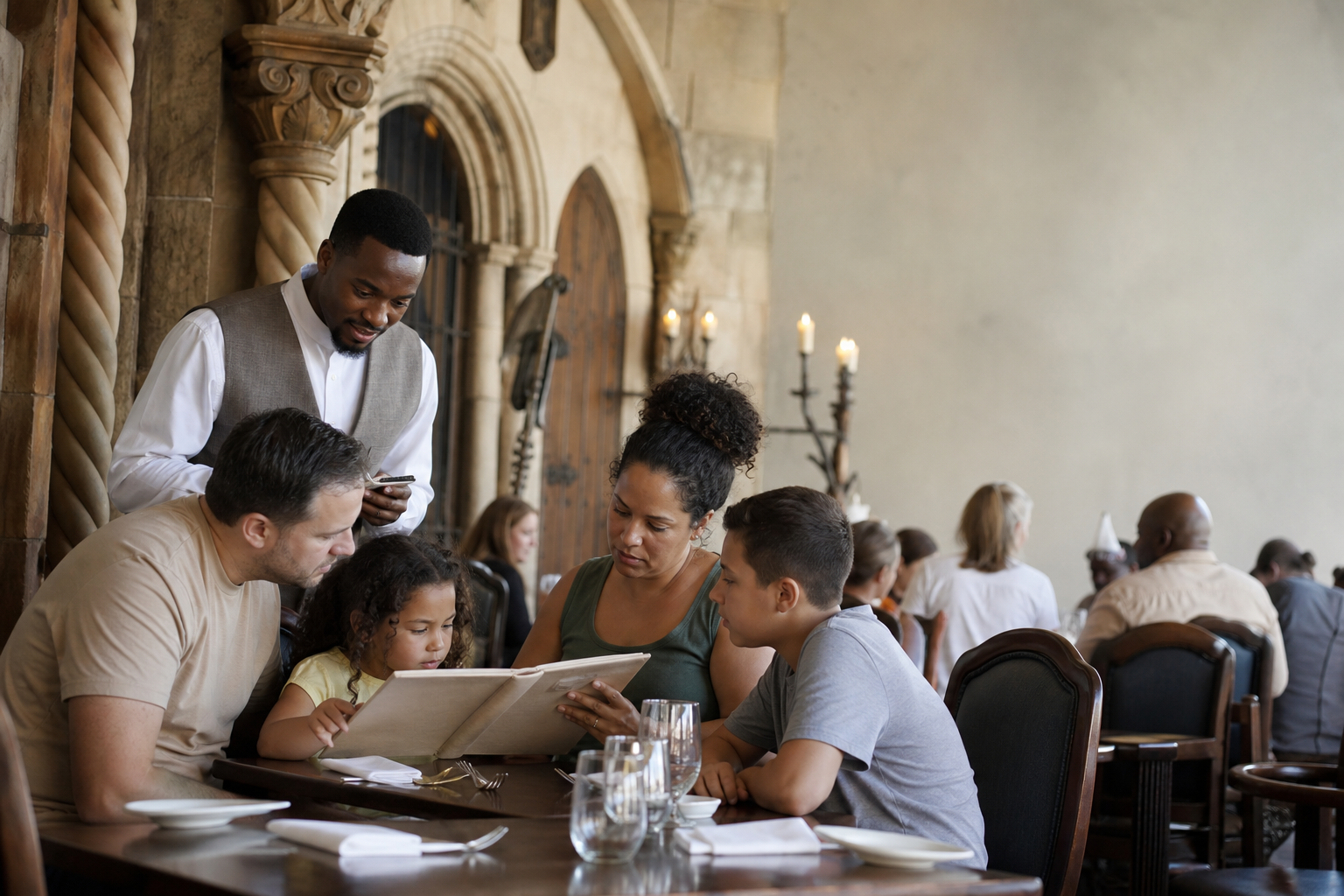
The bigger story is what visitors pay once they are inside. A NerdWallet analysis of matched menu prices found that table-service meals at the two U.S. parks cost 18.7% more than they did in 2023. The Bureau of Labor Statistics put the national rise in food away from home at 12.2% over the same stretch, and overall inflation at 9.4%. Disney's sit-down dining ran ahead of both.
Specific items illustrate the pace. The Tiffins Signature Bread Service at Animal Kingdom moved from $16 to $20, a 25% jump. Filet mignon at The Hollywood Brown Derby went from $49 to $59, up roughly 20%. Alcoholic drinks at Disney parks that NerdWallet tracked over the same three-year period rose an average of 14.3%, ahead of the BLS figure of 10.4% for alcoholic beverages consumed away from home nationally.
The pricing structure is deliberate. Hugh Johnston, chief financial officer at The Walt Disney Company, laid out the logic at a Goldman Sachs conference in September 2026, as NerdWallet reported: Disney keeps entry prices low in slower seasons to draw younger families, then captures more spending as those guests age into higher incomes through add-ons including Lightning Lane, VIP tours and premium dining.
Kevin Quigley, described by NerdWallet as an author and co-host of the Thirty20Eight Disney podcast, offered a consumer-side explanation for why the strategy holds. "Dinner at the Brown Derby feels a class level up from eating on a picnic table outside," he said. “Guests may not like it,” he said, but someone in the party usually pushes for one expensive meal, and by his account the eye-rolling at the price gives way to a feeling that “the money is worth the experience”.
Alcohol is a newer and growing revenue line. Disneyland itself did not serve drinks to the general public until 2019. Today, cocktails at Oga's Cantina in the park's Star Wars section run roughly $19.50 to $20.50. Quigley pointed to Trader Sam's, the tiki bar at the Disneyland Hotel and Disney World's Polynesian resort, as a case study in high-margin, high-demand hospitality. "Once they've crossed the magic threshold and have a seat, they don't mind paying $20 a drink, and if you have one, you'll probably want more," he said.
Counter-service pricing tells a different story. Those walk-up meals rose just 5.1% over the three-year period NerdWallet examined, well below the national restaurant inflation rate. Some items barely moved at all: the Endorian Chicken Tip-Yip Salad at Hollywood Studios rose by 30 cents over three years. A half chicken with beans and coleslaw at Flame Tree Barbecue in Animal Kingdom stayed under $15 throughout.
For context, NerdWallet noted that Butterbeer at Universal Orlando Resort, Disney's closest domestic competitor, went from $7.99 to $9.99 between early 2023 and now, a 25% increase. Coachella drew attention this year for a $30 chicken sandwich from Dave's Hot Chicken, against roughly $10 at a standard location.
The pattern here is consistent with how large theme park operators have managed post-pandemic pricing: hold or modestly raise the headline admission number, which is the figure most likely to appear in a news story or a family budget conversation, while pushing harder on food, beverages and premium experiences where price sensitivity is lower once a guest is already on property. Disney's counter-service restraint is notable, and likely intentional, since visible sticker shock at a quick-service window would be harder to rationalize than a premium charge at a reservation-required restaurant.
What the NerdWallet analysis does not establish is how average per-visit spending has changed in total, or whether the dining price increases have affected reservation rates at table-service restaurants. Those figures would show whether guests are absorbing the increases or routing around them toward counter service.
Source: https://www.nerdwallet.com/travel/news/disney-food-prices
Bear Creek Capital Network publishes content for informational and educational purposes only. Nothing in this article constitutes financial, investment, tax or legal advice, or a recommendation to buy or sell any security. Consider your own circumstances and consult a qualified professional before making financial decisions.